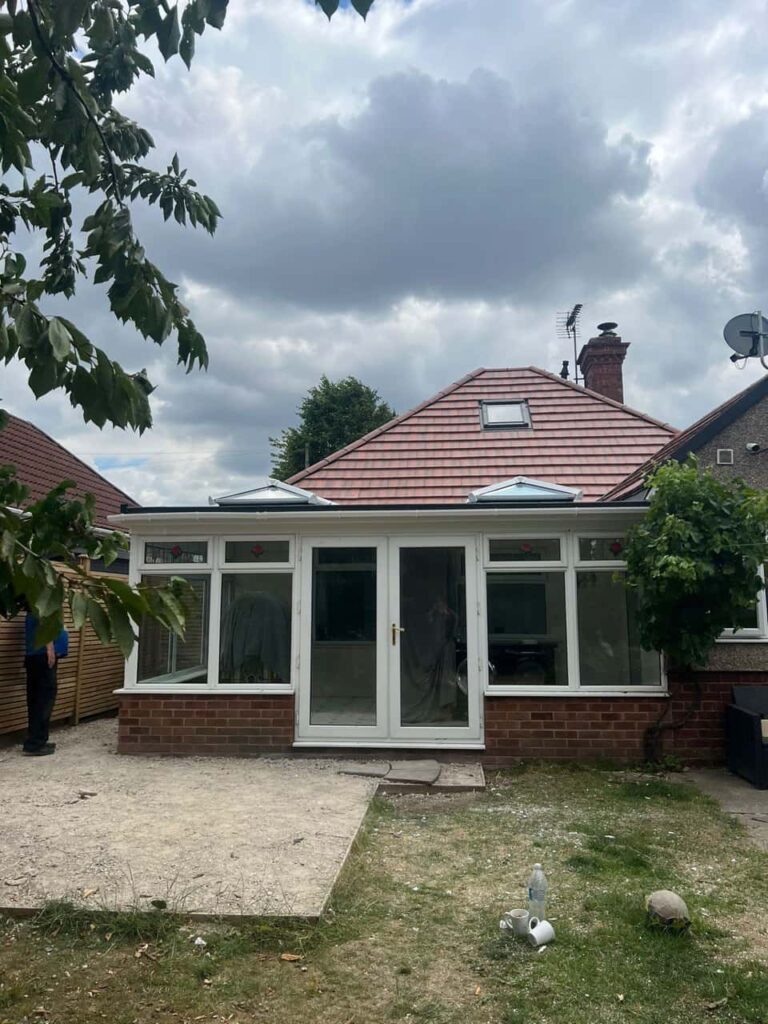
A roof is made up of many different components that work together to protect a property from the elements. While roof tiles and slates often receive the most attention, lead flashing plays an equally important role in keeping a roof watertight. Installed around vulnerable areas such as chimneys, valleys, skylights, and roof junctions, lead flashing prevents rainwater from penetrating the roof where different materials meet.
For homeowners in Broughton Astley, Leicestershire, understanding the importance of lead flashing can help prevent leaks, damp problems, and unnecessary roof repairs. At Broughton Astley Roofing Repairs, we regularly inspect, repair, and replace lead flashing to ensure roofs remain fully protected throughout the year.
What Is Lead Flashing?
Lead flashing is a durable strip of lead sheet carefully shaped and fitted to seal joints and transitions within a roofing system.
It Is Commonly Installed Around
- Chimneys
- Roof valleys
- Dormer windows
- Skylights
- Roof-to-wall junctions
These areas are naturally more vulnerable to water penetration, making flashing an essential part of the roof.
It Creates a Watertight Seal
The primary purpose of lead flashing is to prevent rainwater from entering the roof.
Properly Installed Flashing Helps To
- Direct water away safely
- Seal gaps between roofing materials
- Protect roof junctions
- Maintain the roof’s weather resistance
Without effective flashing, even a well-built roof may be susceptible to leaks.
It Protects Vulnerable Roof Areas
Certain parts of a roof experience greater water flow than others.
Flashing Protects Areas Where
- Roof slopes meet walls
- Chimneys pass through the roof
- Roof sections intersect
- Different roofing materials join together
These locations require additional protection because they cannot rely on tiles or slates alone.
It Helps Prevent Roof Leaks
Many roof leaks begin around damaged or deteriorating flashing rather than the roof covering itself.
Faulty Flashing Can Lead To
- Water ingress
- Damp loft spaces
- Ceiling stains
- Moisture affecting roof timbers
Maintaining flashing is one of the most effective ways to reduce the risk of leaks.
It Adapts to Natural Roof Movement
Roofs naturally expand and contract with changes in temperature.
Lead Is Ideal Because It
- Is highly flexible
- Accommodates movement
- Maintains a secure seal
- Resists cracking when installed correctly
This flexibility contributes to its long-standing reputation as a reliable roofing material.
It Supports the Lifespan of the Entire Roof
Even if roof tiles remain in excellent condition, failed flashing can allow water beneath the roof covering.
Good Flashing Helps Protect
- Roof battens
- Underlay
- Roof timbers
- Loft insulation
- Internal ceilings
Keeping moisture out helps preserve the condition of the entire roofing system.
It Performs Well in British Weather
Lead has been used in roofing for centuries because it performs exceptionally well in the UK’s climate.
It Offers Excellent Resistance To
- Heavy rainfall
- Frost
- Wind
- Seasonal temperature changes
Its durability makes it one of the most dependable roofing materials available.
Damaged Flashing Should Never Be Ignored
Although lead is extremely durable, it can eventually become damaged through age, movement, or poor previous workmanship.
Warning Signs Include
- Visible gaps
- Loose flashing
- Water stains near chimneys
- Repeated roof leaks
- Sections lifting away from the roof
Prompt repairs help prevent further damage from developing.
Professional Installation Is Essential
Lead flashing requires careful shaping, accurate fitting, and secure installation to perform effectively.
Poor workmanship can result in:
- Inadequate sealing
- Water penetration
- Repeat leaks
- Premature deterioration
Professional installation ensures the flashing provides reliable protection for many years.
Why Regular Roof Inspections Matter
Routine roof inspections allow flashing defects to be identified before they become major problems.
Professional Assessments Can Detect
- Early signs of movement
- Damaged joints
- Wear around roof junctions
- Minor defects before leaks occur
Early intervention helps maintain the overall health of the roof.
Conclusion
Lead flashing is one of the most important yet often overlooked components of any roofing system. By creating watertight seals around chimneys, roof valleys, skylights, and junctions, it protects vulnerable areas from water ingress and helps preserve the entire roof structure. Without properly functioning flashing, even minor defects can lead to recurring leaks and unnecessary damage.
For homeowners in Broughton Astley, Leicestershire, regular roof inspections and professional lead flashing repairs are essential for maintaining a dependable, weather-resistant roof. If you have concerns about the condition of your flashing or are experiencing leaks around roof junctions, Broughton Astley Roofing Repairs can provide expert advice and high-quality roofing services tailored to your property’s needs.
Call us on: 01455 241 493
Click here to find out more about Broughton Astley Roofing Repairs
Click here to complete our contact form and see how we can help with your roofing needs.