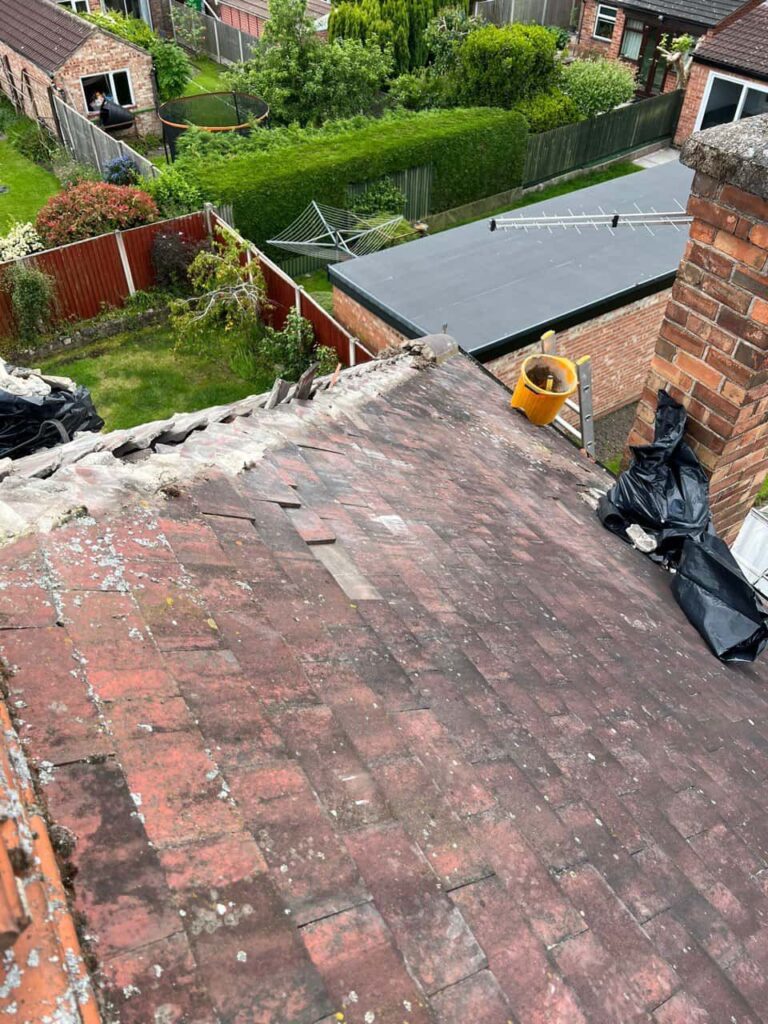
Flat and felt roofs are commonly used on garages, extensions, porches and other parts of residential properties. Although these roofing systems can provide reliable protection when properly maintained, they are exposed to changing weather conditions throughout the year and can eventually develop signs of wear or damage.
For homeowners in Broughton Astley, Leicestershire, recognising early warning signs can make it easier to address roofing problems before they become more extensive. From visible cracks to unexplained damp patches, several symptoms may indicate that professional flat or felt roof repairs are required.
Water Leaks and Damp Patches
Water ingress is one of the most obvious signs that a flat or felt roof needs attention. Damp patches on ceilings or walls beneath the roof can indicate that water has entered through a damaged area.
The location of the internal dampness does not always correspond directly with the source of the leak. Water can travel through roofing layers before becoming visible inside the property.
If dampness repeatedly appears following rainfall, the roof should be inspected to identify where water is entering and why.
Cracks, Splits and Tears in Felt
Felt roofing can develop cracks, splits or tears as the material deteriorates. Damage may occur around seams, edges and areas that have been exposed to repeated weathering.
Even relatively small defects can provide an entry point for water. If the damage is left untreated, moisture can reach the layers underneath and contribute to further deterioration.
A professional inspection can establish whether the affected area requires a localised repair or more extensive work.
Blistering and Bubbling
Raised areas, bubbles or blisters can develop on some felt roofing systems. These may be associated with trapped moisture, air or movement within the roofing layers.
Although a blister may not initially be causing an obvious leak, it can indicate that the roofing system requires closer inspection. Puncturing or cutting into raised areas without identifying the cause can potentially make the problem worse.
Professional assessment is therefore recommended when significant blistering is noticed.
Standing Water on a Flat Roof
Flat roofs are designed with falls and drainage arrangements to help rainwater run away. However, persistent standing water can indicate that drainage is not working effectively or that the roof surface has developed low areas.
Blocked outlets, damaged drainage components or movement within the roof can contribute to water pooling.
Regular or prolonged pooling can place additional stress on roofing materials. If water repeatedly collects in the same area, the cause should be investigated rather than simply allowing it to evaporate.
Damaged Flashing and Roof Edges
Flashing is used around roof junctions and other vulnerable areas to help prevent water from entering the building. If flashing becomes loose, cracked or deteriorated, leaks can develop around these points.
The edges of felt roofs should also be checked for signs of lifting, splitting or separation. Damage around the perimeter can compromise the weatherproofing of the entire roof.
These areas are particularly important when investigating a leak that does not appear to have an obvious source.
Mould and Musty Odours
Not all roofing problems are immediately visible from outside. Persistent musty smells, mould or damp conditions inside a building can indicate ongoing moisture.
These symptoms can have several possible causes, but when they occur alongside visible roof deterioration, the roof should be considered as a possible source.
Cleaning the visible mould or repainting a damp area will not resolve the underlying issue if water is continuing to enter through the roof.
When Should You Arrange Flat Roof Repairs?
Professional attention should be considered when you notice repeated leaks, visible damage, standing water, deteriorating felt or problems around flashing and roof edges.
The appropriate repair depends on the type of roofing system and the extent of the damage. A localised defect may be suitable for repair, while widespread deterioration may require more comprehensive work.
An inspection allows the condition of the roof to be assessed before the appropriate repair method is selected.
Professional Flat and Felt Roof Repairs in Broughton Astley
Flat and felt roof problems can become progressively more difficult to manage when water is allowed to enter the roofing system. Identifying the source of the problem and addressing it appropriately can help maintain the condition of the roof.
Broughton Astley Roofing Repairs provides professional flat and felt roof repair services in Broughton Astley, Leicestershire. We assess the affected areas carefully to identify suitable repair solutions based on the condition of the roofing system.
Conclusion
Cracks, tears, blistering, standing water, damaged flashing and unexplained dampness can all indicate that a flat or felt roof needs professional attention. Recognising these warning signs early can help homeowners address problems before further deterioration occurs.
If you have noticed a leak or signs of damage to your flat or felt roof in Broughton Astley, Leicestershire, contact Broughton Astley Roofing Repairs to arrange a professional assessment and discuss the appropriate repair work.
Call us on: 01455 241 493
Click here to find out more about Broughton Astley Roofing Repairs
Click here to complete our contact form and see how we can help with your roofing needs.